Crown Reduction in Towerhamlets
Professional tree care for homes, businesses, and managed properties
Crown reduction in Towerhamlets is a practical tree surgery service for property owners who need to manage size, shape, light levels, and safety without removing a healthy tree completely. In a busy borough like Tower Hamlets, where gardens can be compact, streets are closely built, and many buildings sit near shared boundaries, trees often need careful, expert attention. A well-planned crown reduction can help keep a tree balanced and suitable for its surroundings while maintaining its natural character.
If a tree is beginning to encroach on roofs, windows, cables, alleyways, neighbouring gardens, or paved spaces, reducing the crown may be the right solution. The aim is not simply to make the tree smaller for the sake of it. The aim is to reduce height and spread thoughtfully, using proper pruning techniques that support the tree’s long-term condition and reduce unnecessary stress.
For local customers, the value of a professional tree surgeon lies in more than just equipment and cutting tools. It is about understanding the setting: terraced streets in Poplar, apartment courtyards in Canary Wharf, older residential plots around Bethnal Green, and commercial premises across Whitechapel, Limehouse, Bow, and Stepney all present different challenges. A local team that works in Tower Hamlets regularly will already be familiar with access, traffic, parking, neighbour coordination, and the types of trees commonly found in the borough.
What crown reduction means and when it is used
Crown reduction is the selective shortening of a tree’s branches throughout the canopy to reduce overall height, spread, or both. It is carried out to an even, considered standard so the tree keeps a natural outline rather than appearing heavily cut back. A proper reduction is different from harsh topping or indiscriminate cutting, which can leave a tree weaker, more prone to regrowth problems, and less attractive.
Tree owners in Tower Hamlets may request crown reduction for several reasons. Perhaps a mature tree has outgrown a small back garden. Perhaps branches are shading a room that needs natural light. Perhaps wind exposure on an open site means the canopy needs to be less dense. In some cases, reduction is requested because branches are coming too close to a building or because a tree has become top-heavy after years of growth.
It is also a common service where trees sit near busy walkways or shared residential entrances. In areas with a mix of older housing, modern developments, and commercial units, tree dimensions often need to be controlled to suit the surrounding use of space. A skilled arborist will assess the tree’s species, condition, structure, and future growth before recommending the most appropriate reduction level.
Why Tower Hamlets properties often need crown reduction
There are many practical reasons why tree crown reduction in Tower Hamlets is frequently requested. The borough has a high density of homes and businesses, and that creates specific pressures on trees that may not arise in more spacious suburban settings. Gardens can be narrow. Boundaries are close. Shared access routes are common. And many trees have to coexist with extensions, loft conversions, paved yards, sheds, outbuildings, and roof lines that were added after the tree was planted.
Local property types can also influence how trees grow and how they are managed. Victorian terraces, converted flats, housing estates, riverside developments, schools, commercial courtyards, and communal gardens all have different requirements. Some customers want more light into ground-floor rooms. Others need to maintain safe clearance for residents, staff, or visitors. For landlords and managing agents, keeping trees within a sensible size can also help reduce complaints and maintain a tidy, welcoming appearance.
The borough’s urban conditions mean trees can experience stress from restricted rooting space, reflected heat, compacted soil, and competition for water. In these circumstances, unnecessary heavy cutting is not helpful. A carefully judged crown reduction is often preferable because it can ease wind loading, improve balance, and make the canopy more suitable for its location while respecting the tree’s health and future growth.
How a professional crown reduction is carried out
A quality crown reduction starts with a site visit and a thorough tree assessment. The tree surgeon looks at the species, the natural shape of the canopy, the branch structure, any signs of decay or dieback, the nearby environment, and the likely impact of reducing the crown. This step matters because not every tree should be reduced in the same way. A professional approach is tailored to the individual tree rather than applying a one-size-fits-all cut.
During the work, branches are shortened back to suitable growth points wherever possible, helping the tree retain a natural appearance and encouraging healthier recovery. The result should look balanced from all sides. Where relevant, the reduction may be combined with other maintenance tasks such as deadwood removal, minor crown thinning, or careful pruning to improve clearance around buildings or pathways.
Because Tower Hamlets often involves tight sites and limited space, planning is essential. Working safely near pavements, fences, parked cars, footpaths, and neighbouring properties requires proper set-up, controlled dismantling where necessary, and efficient removal of arisings. A local team with experience in built-up areas will be used to working around residents, tenants, businesses, and passers-by with as little disruption as possible.
What is included in crown reduction services
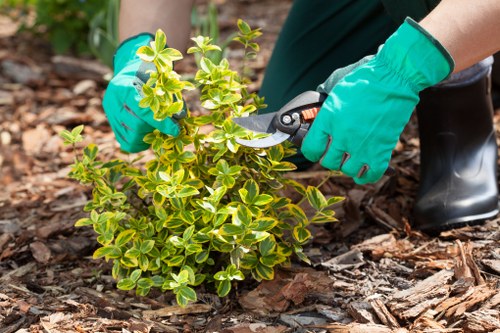
Customers looking for a crown reduction service usually want to know exactly what is covered. While every tree and site is different, a professional service commonly includes a clear assessment, the agreed pruning work, safe branch removal, and tidy clearance of the area afterwards. If the tree is protected or situated in a sensitive setting, further checks may be needed before any work begins.
Typical elements of the service may include:
- On-site assessment of the tree and surrounding area
- Advice on the most suitable reduction approach
- Selective pruning to reduce height or spread
- Improvement of clearance from buildings, fences, and access routes
- Removal of cut branches and associated green waste
- Leaving the site neat and ready for normal use
Homeowners, landlords, housing associations, commercial property managers, and facilities teams all benefit from a service that is practical and respectful of the property. If you are arranging work for a shared courtyard, a rental property, or a business entrance, a reliable team can make the process straightforward from the first enquiry through to completion.
Why local knowledge matters in Tower Hamlets
Choosing a local team for crown reduction in Tower Hamlets can make a significant difference. The borough’s mix of narrow residential roads, busy commercial districts, public walkways, and modern developments creates real challenges that are easier to manage when the crew already understands the area. From transport-heavy streets to compact garden access and limited parking, local knowledge helps the job run more smoothly and safely.
For example, some properties have access only via rear lanes, service passages, or shared side entrances. Others have no off-street parking at all, meaning equipment, branch removal, and crew access need to be planned carefully. In apartment blocks and managed estates, work may need to be coordinated around residents and building rules. A local arborist is more likely to anticipate these issues and plan accordingly.
Tree care is also shaped by the character of the location itself. In places with stronger wind exposure or high foot traffic, branches may need to be managed differently than they would in a quiet suburban setting. In Tower Hamlets, practical experience counts. It helps protect neighbouring properties, reduces unnecessary disruption, and supports the best result for both the tree and the people living or working nearby.
Benefits of crown reduction for local customers
Crown reduction can deliver several useful benefits when it is carried out properly and for the right reasons. It is often chosen because it solves a real property issue while keeping the tree in place. That can be particularly important in urban areas where mature trees add value, shade, character, and privacy.
Key benefits can include:
- Improved light levels into homes, gardens, or commercial spaces
- Reduced risk of branches interfering with buildings or access routes
- Better balance and wind resistance for the tree
- A more manageable shape in confined spaces
- Enhanced appearance when the tree has become uneven or overextended
- Less strain on surrounding structures and boundary areas
For many customers, the biggest advantage is peace of mind. Knowing that a tree has been assessed and carefully reduced by a qualified tree surgeon means there is less worry about overgrowth, obstruction, or unnecessary damage in the future. It can also help improve the overall look and usability of the property.
When crown reduction may be the right choice
Not every tree needs crown reduction, and it should not be used automatically. A good arborist will only recommend it where the tree would genuinely benefit. The service is commonly suitable when a tree has become too large for its location, when branches are affecting safety or convenience, or when a more compact canopy will improve the relationship between the tree and the property around it.
You may want to consider this service if:
- The tree is casting too much shade over a garden or room.
- Branches are becoming too close to a roof, wall, or window.
- The canopy feels unbalanced after previous growth.
- The tree is exposed to strong wind and needs a lighter crown.
- There is a need to maintain clearance for people, vehicles, or equipment.
- You want to keep a mature tree but make it more suitable for a confined space.
In Tower Hamlets, where many sites combine older structures with newer additions, crown reduction is often a sensible way to preserve greenery while adapting it to the practical realities of urban living. If you are unsure whether it is the right solution, a site assessment is usually the best starting point.
How the service works from enquiry to completion
Most customers want a simple process that does not create unnecessary fuss. A professional crown reduction service should be clear, practical, and easy to arrange. It usually begins with an initial conversation about the tree, the site, and the concerns you want addressed. From there, the tree can be assessed and a suitable approach discussed.
Once the work is agreed, arrangements are made for access, timing, and any site-specific requirements. This is particularly helpful in Tower Hamlets, where parking, loading space, shared entrances, and busy roads may influence how the job is carried out. A well-organised team will plan the work so disruption is kept to a minimum and the property is left tidy afterwards.
At the end of the service, you should be left with a tree that is smaller, lighter, and better suited to its surroundings. The result should still look natural and well shaped. If other maintenance is needed in future, such as periodic pruning or further reduction after growth, a local team can advise on sensible timings.
Preparation checklist for homeowners and businesses
Preparing properly helps the job go smoothly and reduces delays on the day. Whether you are arranging work for a private garden, a communal area, or a business site, a short preparation checklist is useful. It can also help make sure the crew has safe and easy access to the tree.
Before the visit, consider the following:
- Move cars, bicycles, garden furniture, and fragile items away from the work area
- Make sure gates or access routes can be opened easily
- Inform neighbours if branches overhang shared boundaries
- Check whether there are any building rules or estate rules that affect access
- Identify any obstacles such as cables, sheds, fencing, or planters
- Raise any specific concerns about light, safety, or property clearance
For business customers, planning ahead can be especially important if the tree sits near customer entrances, outdoor seating, delivery routes, or staff access points. A little preparation can help the service be completed efficiently with minimal interruption to the normal use of the premises.
Pricing factors for crown reduction work
Many customers want to know what affects the cost of crown reduction, even if they are not looking for exact figures upfront. Pricing is usually shaped by practical site conditions rather than a simple fixed rate. The more complex or restricted the access, the more time and planning may be needed.
Common pricing factors include:
- Tree size, species, and overall condition
- The amount of reduction needed
- Access to the tree and room to work safely
- Whether equipment or controlled dismantling is required
- The volume of cut material to remove
- Proximity to buildings, roads, or neighbouring properties
- Any additional tasks such as deadwood removal or clearance work
Requesting a site-specific quote is the most reliable way to understand the likely cost and scope. That also gives you a chance to explain what you want to achieve, whether it is more light, better clearance, a neater shape, or reduced wind resistance.
Residential crown reduction across Tower Hamlets
Homeowners often ask for crown reduction because they want to enjoy their garden, keep their home brighter, or stop trees from overwhelming a smaller plot. In Tower Hamlets, where many gardens are compact and surrounded by adjoining properties, a tree can quickly become too dominant if left unchecked. Careful reduction can restore balance and help the outdoor space feel more usable again.
Residential customers may also be concerned about branches hanging over fences, touching rooflines, or creating too much shade over patios, lawns, and planting beds. A sensitive reduction can improve all of these issues while preserving the tree wherever possible. For many families, keeping a mature tree is preferable to removal, especially when the tree adds privacy or character to the property.
Older homes, converted buildings, and homes with extensions may each pose different access and clearance issues. This is where local experience really helps. A crew familiar with residential crown reduction in Tower Hamlets will understand how to work in narrow side access, back gardens with limited entry, and places where neighbour relations and tidy working practices matter as much as the tree itself.
Commercial and managed property needs
Commercial customers often need tree care for practical and presentational reasons. Trees near offices, shops, schools, leisure premises, hospitality venues, warehouses, or managed estates must be kept in a condition that supports the use of the site. Crown reduction may be used to improve visibility, reduce overhang, maintain safe access, and keep the environment tidy for visitors and staff.
Property managers in Tower Hamlets may also need to handle tree maintenance as part of broader site upkeep. This can involve coordinating with tenants, building staff, or residents, especially where the tree sits in a communal area or shared access route. A local tree surgery team can help carry out the work in a practical way that fits the schedule and the site’s requirements.
For businesses, there is also a reputational benefit. A well-maintained outdoor environment sends a positive message and helps the premises appear cared for. Crown reduction can be part of keeping a site attractive without losing the value that trees bring in terms of shade, softening hard landscaping, and improving the overall setting.
Areas covered in Tower Hamlets
A local crown reduction service should be able to cover a broad range of neighbourhoods and property types across the borough. The area includes dense urban streets, waterfront developments, residential estates, and mixed-use locations, all of which can present different tree management needs.
Areas commonly covered include:
- Bethnal Green
- Bow
- Poplar
- Stepney
- Limehouse
- Whitechapel
- Canary Wharf
- Mile End
- Shadwell
- Spitalfields and nearby parts of the borough
Whether you manage a single garden tree or several trees across a portfolio of properties, a local service can usually respond with an approach suited to the location. The practical differences between one street and the next can be significant, so local familiarity is useful when planning access, scheduling, and branch removal.
Why choose a local company for tree crown reduction
There are clear reasons to choose a local company for crown reduction in Tower Hamlets. A team that works regularly in the borough is more likely to understand the demands of the area, from limited parking and busy roads to shared gardens and compact rear access. That knowledge saves time and helps avoid unnecessary disruption.
Local companies are also more likely to offer practical advice based on the realities of nearby homes and businesses. They know that a tree in a narrow courtyard may need a different approach from one in a school playground or a commercial car park. They are used to planning around neighbours, residents, deliveries, and building management requirements.
Just as importantly, local tree care is about ongoing responsibility. Trees grow, change, and sometimes need revisiting in future. Choosing a nearby service makes it easier to arrange follow-up work when required and helps build a practical relationship with a team that knows your site.
Frequently asked questions
Will crown reduction damage my tree?
When done properly, crown reduction is designed to support the tree’s condition rather than damage it. The key is careful pruning to suitable growth points and a reduction level that the tree can reasonably tolerate. Overly heavy cutting can be harmful, which is why professional judgement matters.
How often will my tree need reducing?
That depends on the species, the growth rate, and where the tree is located. Some trees need attention more frequently than others, especially in confined urban spaces. A tree surgeon can advise on a sensible future maintenance interval after assessing the work.
Can crown reduction help with too much shade?
Yes, it can often improve light levels by reducing the spread and density of the canopy. However, the amount of light change depends on the tree species, the reduction required, and the overall garden layout. A site assessment can help set realistic expectations.
Is the service suitable for very large or mature trees?
Often, yes, but mature trees need careful handling. The size, structure, and condition of the tree will influence what can be done safely and responsibly. In some cases, a reduction may need to be moderate rather than extensive to protect the tree.
Do I need permission before work starts?
Some trees may be protected, or the property may be in a controlled setting that needs checks before work can begin. If this applies, it should be reviewed before any pruning takes place. A professional tree surgeon can help identify when further permissions or considerations are relevant.
Will the work be messy?
Tree work naturally creates branches, foliage, and cut material, but a professional service should include tidy removal and a sensible clean-up afterwards. If you have particular concerns about pathways, shared spaces, or business entrances, mention them in advance so arrangements can be planned accordingly.
Book crown reduction in Tower Hamlets
If a tree on your property is getting too tall, too wide, or too close to the building around it, crown reduction in Tower Hamlets may be the right solution. It is a practical way to keep a mature tree manageable while preserving its presence and reducing problems linked to overgrowth, shade, or imbalance.
For homeowners, landlords, businesses, and property managers, the next step is simple: arrange an assessment and talk through what you want the tree to achieve. Whether you need more light, better clearance, or a tidier shape, a local arborist can recommend the right approach based on the tree itself and the conditions on site.
Contact us today to discuss your tree, request a free quote, or book your service now. A professional crown reduction can make a real difference to the safety, appearance, and usability of your outdoor space.