Tree Pruning in Towerhamlets
Professional Tree Care for Homes, Businesses, and Shared Spaces
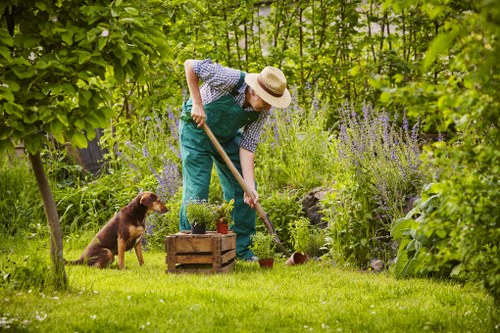
If you are looking for tree pruning in Towerhamlets, you are likely after more than a quick tidy-up. Most local customers want a service that keeps trees healthy, makes outdoor spaces safer, respects neighbours, and suits the realities of living and working in a busy East London borough. That can mean careful reduction of overgrown branches, improved light into gardens and windows, removal of damaged growth after storms, or regular maintenance for trees that sit close to pavements, roofs, fences, and service lines.
Tree pruning is one of the most important parts of tree care, but it needs to be done properly. A well-pruned tree can look better, grow more strongly, and create fewer hazards. A poorly pruned one can suffer stress, disease, weak regrowth, or long-term structural problems. In a place like Tower Hamlets, where properties range from period terraces and maisonettes to modern apartment developments, schools, commercial courtyards, and small communal gardens, pruning has to be tailored to the site, the tree species, and the access available.
Whether you manage a private garden in Bow, a courtyard near Bethnal Green, a shopfront tree in Whitechapel, or shared landscaping in Limehouse, local tree pruning services can help you keep things under control without losing the natural shape and value of the tree. Contact us today if you want practical advice and a quote for the work you need.
Why Tree Pruning Matters in Towerhamlets
Tree pruning is not just about appearance. It is about maintaining balance between healthy growth, safety, and the way a tree interacts with its surroundings. In Towerhamlets, many trees grow in compact spaces. They may be close to boundary walls, parked cars, patios, balconies, entranceways, public pathways, and busy roads. That means even modest growth can begin to cause inconvenience or risk if it is left unchecked.
Branches that overhang roofs can drop leaves and debris into gutters. Dense canopies can block daylight from homes, offices, and ground-floor rooms. Limbs that rub against each other or grow too close to structures can create damage over time. Trees that have been left unpruned for several years may also become top-heavy or develop weak branch unions, making them more vulnerable in wind and heavy rain.
Good pruning helps to shape the tree in a way that suits both the tree and the property. Done carefully, it can improve airflow through the crown, reduce the chance of breakage, and encourage stronger structure in younger trees. It can also support flowering and fruiting species by removing overcrowded, dead, or crossing branches. For local residents, this often means a safer, brighter, and more usable outdoor area with less disruption.
Types of Tree Pruning We Carry Out

Different trees and different situations call for different pruning methods. A competent local service will not use the same approach for every job. The right method depends on the species, age, condition, location, and the outcome you need. Below are the main forms of pruning customers often request in Towerhamlets.
Crown Reduction
Crown reduction is used when a tree has become too large for its space or is starting to interfere with nearby buildings, light, or overhead lines. The aim is to reduce the height and spread while keeping the natural form as much as possible. This is a common request in dense residential streets where trees need to remain attractive but more manageable.
Crown Thinning
Crown thinning removes selected branches inside the canopy to improve light penetration and air movement. It is often useful for trees that have grown dense over time. It can help reduce wind resistance and prevent the tree from becoming overly heavy at the edges. Thinning is not the same as making the tree smaller; it is more about balanced spacing and improved health.
Crown Lifting
Crown lifting removes lower branches to create more clearance underneath the canopy. This may be needed to improve access for pedestrians, vehicles, bin collection, or garden use. It is also useful where lower branches are blocking windows, paths, or sightlines near driveways and entrances.
Dead Wood Removal
Dead branches can fall unexpectedly and should be removed as part of routine maintenance or after weather damage. This is one of the simplest ways to improve safety without changing the overall shape of the tree too much. It also helps the tree look neater and makes it easier to spot any deeper issues.
Formative Pruning
Young trees benefit from formative pruning, which helps establish a strong, stable framework early on. This is especially valuable in landscaped developments, new gardens, and planted streets where trees will be expected to grow alongside buildings and infrastructure for years to come.
What Tree Pruning in Towerhamlets Usually Includes
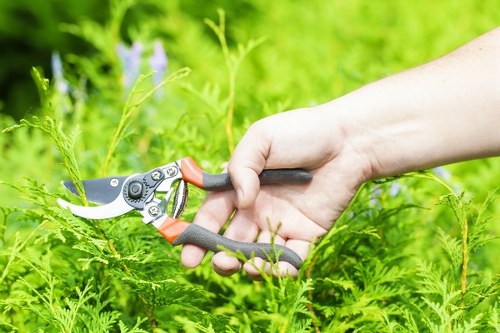
When local customers enquire about tree pruning in Towerhamlets, they often want to know exactly what the service covers. A reliable arboricultural team should be able to explain the work clearly before anything begins. While every site is different, a typical pruning service may include the following:
- Initial inspection of the tree and surrounding area
- Assessment of tree health, structure, and growth pattern
- Advice on the most suitable pruning method
- Careful removal of selected branches and unwanted growth
- Management of dead, damaged, diseased, or crossing limbs
- Shaping work to improve balance and appearance
- Attention to safety around nearby buildings, vehicles, and passers-by
- Clearance and removal of arisings where included in the service
- Optional ongoing maintenance planning for repeat visits
Many customers also ask about trees that have grown into awkward positions because of previous poor maintenance. In these cases, a local team can often advise on whether the tree needs selective pruning, staged work over more than one visit, or a gentler approach to avoid shock. Not every tree needs heavy cutting; sometimes a lighter, more considered prune is the better long-term choice.
In Tower Hamlets, where properties can be tightly packed and access may be restricted, it is especially important that the team understands how to work efficiently and safely without causing unnecessary disruption. That can include using suitable equipment for smaller access routes, planning around parking restrictions, and coordinating work to minimise disturbance to neighbours or tenants.
Why Local Knowledge Makes a Real Difference

There are practical reasons why choosing a local tree pruning service matters. Tower Hamlets is a busy borough with a mix of residential, commercial, and communal settings. It is also an area where access can be more complicated than in suburban locations. A local team is more likely to understand the everyday realities that affect tree work in places such as Poplar, Spitalfields, Stepney, Mile End, Canary Wharf edges, Isle of Dogs, and the surrounding streets.
For example, a pruning job on a tree in a rear garden behind a terrace may need careful manual handling because machinery access is limited. A tree beside a narrow street might require traffic-conscious planning. A site near flats or offices may need the work carried out with minimal noise, tidy cordoning, and efficient waste removal. A local service is usually better placed to anticipate these needs and plan accordingly.
Tree pruning in Towerhamlets is also shaped by the variety of tree species found here. Some trees respond well to selective crown work, while others need a more cautious approach to avoid stress or decay. A team that regularly works in the borough is more likely to recognise how species behave in urban conditions, where root space, moisture levels, shade, and compaction may all affect growth.
For customers, this often means better advice, safer execution, and a result that looks natural rather than over-cut. If you are comparing options, it is worth choosing someone who understands the area, not just the task itself. Request a free quote and ask for recommendations based on your tree’s condition and location.
Common Reasons Customers Book Tree Pruning
Improving Light and Space
One of the most common reasons for pruning is to bring more daylight into a home or garden. In areas with closely spaced buildings, mature trees can quickly cast shade over windows, patios, and planting beds. Selective pruning can reduce excess density while preserving the character of the tree.
Reducing Risk
Storm damage, deadwood, and weak branches can create risk for people and property. Pruning can reduce the chance of limbs falling, particularly where branches hang over public walkways, roofs, sheds, parked vehicles, or communal access routes. It is a sensible preventative measure, not just a reactive one.
Protecting Property
Branches that scrape against walls, roof tiles, guttering, fences, or window frames can cause gradual wear and damage. Pruning helps keep growth away from vulnerable surfaces and reduces repeated contact. This is especially useful where trees are planted close to boundary lines or in narrow strips of land.
Encouraging Healthy Growth
Removing dead, diseased, or badly positioned branches allows the tree to direct energy more effectively. In many cases, pruning can improve the overall structure and lifespan of the tree. It can also help younger trees grow into a safer and more attractive shape.
Keeping Shared Areas Usable
For landlords, managing agents, business owners, and housing associations, pruning can help keep communal outdoor areas clean, accessible, and presentable. This matters where trees border entrances, courtyards, loading areas, or seating spaces.
How the Service Typically Works
1. Site Visit or Initial Assessment
The process usually starts with an assessment of the tree and the surrounding area. The aim is to understand the tree’s condition, the owner’s concerns, and any constraints such as limited access, nearby structures, or protected status. A clear assessment helps avoid unnecessary work and ensures the right method is chosen.
2. Clear Discussion of the Work Needed
Once the tree has been inspected, the work can be explained in plain language. Customers should know what will be pruned, why it is needed, and what the likely outcome will be. This is the point to ask questions, particularly if you are unsure whether the tree needs light trimming, crown work, or a more careful staged approach.
3. Planning Around Access and Safety
Tower Hamlets properties often require careful planning because parking spaces, lane width, loading access, and pedestrian flow can all affect the job. Good planning makes the work smoother and safer. It also helps reduce inconvenience to residents, neighbours, or customers using the premises.
4. Carrying Out the Pruning
Once the work begins, branches are removed carefully and in a controlled order. The objective is to shape the tree without causing unnecessary stress. Skilled pruning should leave the tree looking tidy, balanced, and well maintained rather than heavily reduced or uneven.
5. Tidy Finish and Waste Removal
After the pruning, the site should be left as neat as possible. Many customers appreciate efficient clearance of cut material, especially in front gardens, communal spaces, and commercial sites where appearance matters. A good finish helps the whole property feel more cared for.
Preparation Checklist for Homeowners and Site Managers
Before your pruning appointment, a little preparation can help the work go more smoothly. You do not need to do everything yourself, but the following steps are often useful:
- Move cars, bikes, bins, and outdoor furniture if asked
- Make sure access gates or side passages are unlocked
- Tell neighbours or tenants if work may affect shared boundaries
- Point out any specific concerns, such as broken branches or low-hanging growth
- Let the team know about pets, children’s play areas, or fragile landscaping
- Check whether any permissions may be needed for unusual or protected trees
- Confirm whether you want all green waste removed or left in a specific way
It is also helpful to walk around the tree and think about what you want to achieve. Are you mainly trying to increase light? Improve safety? Reduce height? Clear the path to a shed or entrance? The clearer your priorities, the easier it is for the pruning to be tailored to your needs.
Book your service now if your tree is starting to affect the way you use your property and you want professional advice before it becomes a bigger issue.
Pricing Factors: What Affects the Cost of Tree Pruning?
Customers often want to know why quotes vary from one job to another. The cost of tree pruning is influenced by several practical factors rather than by a single flat rate. Because each tree and site is different, a proper quote usually reflects the real amount of labour, time, and equipment needed.
- Tree size and height: taller and broader trees usually take more time and planning
- Condition of the tree: deadwood, disease, storm damage, or poor previous pruning can increase complexity
- Type of pruning requested: crown reduction, thinning, lifting, or selective shaping all involve different levels of work
- Access: narrow gardens, rear access only, or restricted parking can affect setup and removal
- Location of the tree: trees close to buildings, fences, roads, or shared access routes may require extra caution
- Waste handling: the volume of branches and whether full clearance is required can change the scope
- Urgency: urgent work after damage may involve different scheduling considerations
For many local customers, the value of the service lies not only in the pruning itself but in the reassurance that the work has been assessed properly. A low-cost job that damages the tree or creates future issues can be far more expensive in the long run. It is usually better to choose a service that explains the approach clearly and works with the condition of the tree rather than against it.
Residential Tree Pruning Across Towerhamlets
Homeowners in Towerhamlets often need pruning for practical reasons tied to everyday living. Small gardens, narrow plots, and close neighbouring properties can make even one mature tree feel dominant. A careful prune can create a noticeable difference to light, space, and usability without removing the tree entirely.
Common residential settings include front gardens, rear gardens, side access routes, shared lawns, and planted courtyards. In terraced streets and converted properties, trees may need regular maintenance to keep them in proportion with the surrounding buildings. Families often ask for branches to be lifted away from play areas, for the canopy to be thinned to improve daylight, or for overextended limbs to be shortened before they interfere with roofs and paths.
Residents also appreciate knowing that pruning can be carried out with minimal disruption. That matters in dense neighbourhoods where neighbours live close together and outdoor space is limited. A tidy, respectful approach helps keep the process straightforward.
Commercial and Communal Tree Care
Businesses, landlords, managing agents, and property managers often need tree pruning for very different reasons from private homeowners. The priority may be to keep entrances clear, maintain a polished appearance, or avoid obstruction around loading bays, signage, pavements, and communal seating. In commercial environments, even small amounts of unmanaged growth can affect how a property is used and perceived.
For office courtyards, retail frontages, hospitality spaces, and mixed-use developments, pruning can help maintain a neat and professional setting. In residential blocks, it can improve the look and safety of communal grounds while reducing complaints about overhanging branches, blocked light, or falling debris. Regular maintenance also helps with longer-term planning and can reduce the need for more drastic work later.
Because commercial and communal sites often involve several stakeholders, clear communication is important. A good local team should be able to work around access times, explain the proposed pruning, and carry out the job with the least possible disruption to occupants and visitors.
Areas Covered in and Around Tower Hamlets
Tree pruning services are often needed across the borough, including residential streets, estates, business districts, and shared public-facing spaces. Common local areas include:
- Bethnal Green
- Bow
- Stepney
- Whitechapel
- Limehouse
- Poplar
- Isle of Dogs
- Canary Wharf surrounding areas
- Mile End
- Spitalfields
If your property is just outside these locations, it is still worth asking. Local teams often cover nearby streets and estates across East London, especially where there are recurring tree maintenance needs or access challenges that benefit from experienced planning.
Tree Pruning and the Health of the Tree
What Good Pruning Looks Like
Good pruning should be measured and deliberate. It should preserve enough healthy foliage for the tree to support itself while removing problem growth that adds little value. It should maintain a natural shape where possible and avoid leaving large wounds or awkward stubs.
What to Avoid
Heavy topping, harsh cutting, and repeated poor trimming can weaken a tree over time. These practices may cause excessive regrowth, structural weakness, or decay around cut points. That is why professional judgment matters: the aim is not to cut as much as possible, but to cut the right material in the right way.
Long-Term Benefits
When pruning is done well, the tree can remain an asset to the property for many years. It may be safer, more attractive, and easier to manage. In an urban borough like Tower Hamlets, that long-term perspective is especially important because mature trees are valuable and space is limited. A thoughtful prune can help preserve the tree while making it fit better within the site.
Tree pruning in Towerhamlets should always be approached with care, knowledge, and respect for both the tree and the people living around it.
Frequently Asked Questions
How often should trees be pruned?
It depends on the species, age, location, and what you want to achieve. Some trees only need occasional work, while others near buildings or walkways may benefit from more regular maintenance. A local assessment is the best way to decide the right interval.
Can pruning be done all year round?
Many pruning jobs can be carried out throughout the year, but timing can matter for tree health, flowering, nesting birds, and species-specific concerns. The most suitable season depends on the tree and the nature of the work.
Will pruning make my tree smaller forever?
Pruning can reduce overall size for a period, but trees continue to grow. The rate of regrowth depends on the species and how much was removed. That is why balanced, careful pruning is usually better than severe cutting.
Do I need permission before pruning a tree?
Some trees may be protected by a Tree Preservation Order or sit within a conservation area. If you are unsure, this should be checked before work begins. A local professional can help you understand what may apply to your property.
Can you prune trees close to a building?
Yes, but it needs careful planning. Trees near buildings, walls, and rooflines are common in Tower Hamlets, and the method used must suit the available space and the condition of the tree.
What happens to the cut branches?
That depends on the service agreed. Some customers want everything removed, while others may want woodchip or logs left behind if suitable. Make sure your preference is discussed in advance.
Why Choose a Local Tree Pruning Company?
Choosing a local company for tree pruning in Tower Hamlets can make the whole experience easier from start to finish. Local teams understand the borough’s mix of tight access, shared boundaries, high footfall, and varied property types. They are often better prepared for small front gardens, rear-only access, estate landscaping, and the practical realities of working in a dense urban environment.
There is also value in working with people who know how different tree species behave in local conditions. Urban trees often deal with compacted ground, limited root space, pollution, and stress from surrounding development. That means pruning decisions need to be sensible and not just visually tidy. A thoughtful local service can advise on what will improve the tree without causing unnecessary strain.
For customers, the biggest benefit is confidence. You want to know the work will be done carefully, the site will be respected, and the results will suit your property. Whether you need a one-off prune or ongoing maintenance, a local service can offer practical support that fits the realities of living and working in Tower Hamlets.
Request a free quote if you are ready to compare options and find the right approach for your tree.
Getting Started
If your tree has become too large, too dense, or simply too close to the areas you use every day, pruning may be the right solution. The key is to choose a service that understands both arboricultural care and local conditions. That is especially important in Tower Hamlets, where every site can present different access, safety, and neighbour considerations.
Whether you are a homeowner, landlord, facilities manager, or business owner, professional pruning can help protect your property, improve the appearance of your outdoor space, and support the long-term health of the tree. The earlier you address problem growth, the easier it usually is to manage.
For straightforward advice, a clear assessment, and a service tailored to your location, contact us today to discuss tree pruning in Towerhamlets. If you know what you need, you can also book your service now and take the first step toward safer, smarter tree care.
Helpful reminder
Well-planned pruning is about balance: it should improve safety, suit the space, and preserve the tree wherever possible. If that is what you need, a local Tower Hamlets team can help you move forward with confidence.
Next step
Speak to a local tree specialist and arrange a quote based on your tree, your property, and the work you want done.